
You run your hand along your cat’s back and notice small white flakes clinging to the fur. It is easy to wonder, why does my cat have dandruff when their coat has always looked smooth and healthy. Feline dandruff refers to visible flakes of dead skin that collect on the hair coat, often along the spine or near the tail base. While mild flaking can occur from time to time, ongoing dandruff often reflects changes in the skin, grooming habits, or overall health. These flakes are not just a cosmetic issue. They can offer early clues about what is happening beneath the surface, which is why understanding the cause matters.
Cats rely on healthy skin turnover, natural oils, and consistent grooming to keep their coats smooth and flake-free. When that balance shifts, dandruff becomes visible. In many cases, the answer to “why does my cat have dandruff” involves more than one factor, which is why a thorough veterinary evaluation matters.
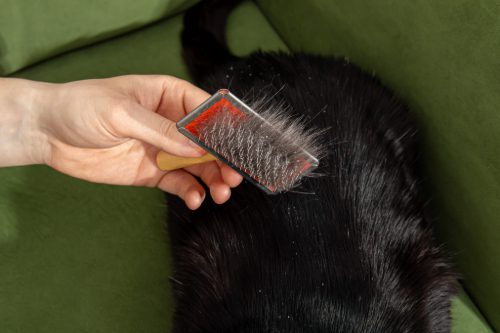
Common Reasons Cats Develop Dandruff
Several factors can explain why does my cat have dandruff, and many of them relate to changes in skin health, grooming habits, or the body’s internal balance. Some causes are mild, while others point to conditions that need professional attention. Cats often mask discomfort, so dandruff may be one of the earliest visible clues.
Common contributors include:
- Environmental dryness or seasonal changes
- Reduced self-grooming due to age or mobility issues
- Skin parasites or infections
- Nutritional imbalances affecting skin quality
- Internal medical conditions that alter skin turnover
Because dandruff can have overlapping causes, veterinarians focus on patterns, coat quality, and the presence of other symptoms during an exam.
Environmental and Seasonal Factors
Dry indoor air, especially during colder months, can affect feline skin just as it does human skin. Lower humidity may reduce natural oils in the coat, leading to flaking. Cats who spend most of their time indoors can show more noticeable dandruff during winter or periods of heavy air conditioning use. While seasonal dryness alone may not be serious, persistent flakes suggest additional factors are involved.
Grooming Changes and Physical Limitations
Cats are meticulous groomers, but changes in their ability or willingness to groom can explain why your cat has dandruff. When grooming decreases, dead skin cells accumulate instead of being removed naturally. This is especially common in older cats or those experiencing stiffness or discomfort.
Age, Weight, and Mobility
Senior cats may groom less due to joint stiffness or reduced flexibility. Overweight cats may struggle to reach certain areas, especially along the lower back. These grooming gaps allow flakes to build up and become visible on the coat. In these cases, dandruff reflects a physical limitation rather than a primary skin disorder.
Skin Conditions and External Irritants
Another common reason pet owners ask why does my cat have dandruff involves skin-specific issues. The skin acts as a protective barrier, and when that barrier becomes irritated or inflamed, flaking often follows. Skin conditions can affect oil production, cell turnover, or comfort, all of which influence dandruff formation.
Cats with sensitive skin may react to environmental allergens, grooming products, or even changes in their surroundings. While flakes may look similar across cases, the underlying cause can vary widely.
Parasites and Infections
External parasites, such as mites, can disrupt the skin surface and cause scaling. Certain fungal or bacterial infections may also interfere with normal skin shedding. These conditions often involve additional signs, such as itchiness, patchy hair loss, or changes in coat texture.
Nutrition and Skin Health
Nutrition plays a significant role in skin and coat quality, which is another key answer to why does my cat have dandruff. Cats require specific fatty acids, proteins, and vitamins to support healthy skin. The skin relies on certain nutrients to maintain moisture, elasticity, and proper cell turnover. If the diet does not meet those needs, the skin barrier may weaken, leading to dryness and flaking. Changes in food, appetite, or digestion can all influence how nutrients reach the skin. When nutritional balance shifts, the coat often reflects those changes first.
Poor coat shine, excessive shedding, and flaking may all appear when the skin is not receiving what it needs to stay healthy. Even subtle deficiencies can influence dandruff development over time.
Underlying Medical Conditions
In some cases, the answer to why does my cat have dandruff lies beneath the surface. Internal medical conditions can alter skin health by affecting hydration, circulation, or metabolism. Dandruff may be one of several subtle signs that something internal has shifted.
Conditions involving hormonal balance, organ function, or immune response may influence how the skin renews itself. These cases often involve other changes that may not seem connected at first.
Signs that dandruff may relate to an internal issue include:
- Changes in energy or behavior
- Weight gain or weight loss
- Altered appetite or drinking habits
How to Get Rid of Cat Dandruff
Pet owners often ask how to get rid of cat dandruff once flakes appear. While it can be tempting to focus on surface solutions, lasting improvement starts with identifying the underlying cause. Dandruff management depends entirely on why the flakes developed in the first place.
Veterinary care focuses on diagnosing the source of dandruff rather than masking its appearance. This may involve a physical exam, skin evaluation, or diagnostic testing, depending on what the veterinarian observes. Addressing the root cause supports healthier skin over time and reduces recurring flaking.
Because dandruff can reflect internal or dermatologic conditions, professional guidance ensures care aligns with your cat’s specific needs.
When to Schedule a Veterinary Visit
Not all dandruff signals a serious problem, but ongoing flakes should never be dismissed. Knowing when to seek care helps protect long-term skin health and overall wellness. If you find yourself repeatedly asking why does my cat have dandruff, it may be time for a professional evaluation.
Consider scheduling a veterinary visit if dandruff:
- Persists despite seasonal changes
- Appears with hair thinning or coat changes
- Occurs alongside behavior or appetite shifts
At Bayshore Veterinary Hospital, our team evaluates dandruff with a whole-body approach, considering skin health, grooming habits, nutrition, and internal factors. To schedule an appointment, call (732) 671-3110 or request an appointment online.
Flakes With a Purpose: What Your Cat’s Skin May Be Telling You
Why does my cat have dandruff is more than a cosmetic question. Flakes often provide early insight into changes happening within the skin or body. From grooming challenges to nutritional shifts or medical conditions, dandruff serves as a visible signal that something deserves attention.
By recognizing dandruff early and seeking veterinary guidance, pet owners support healthier skin and a more comfortable coat. If you notice ongoing flakes or changes in your cat’s appearance, reaching out to your veterinarian helps ensure small signs do not turn into larger concerns.
Recent Posts
About Us
Bayshore Veterinary Hospital has been caring for pets and their families since 2001, building trusted relationships through compassionate, Fear Free veterinary care. Whether your visit is for a routine checkup or something unexpected, we’re here to listen, support, and guide you every step of the way. Call (732) 671-3110 if you have any questions or would like to schedule an appointment.