
A cat’s nose changing color often catches pet owners off guard. One day your cat’s nose looks its usual pink, black, or brown, and the next it appears lighter, darker, or even patchy. In many cases, these changes relate to normal biological processes like temperature, circulation, or age. In other situations, shifts in nose color can reflect underlying health concerns that deserve veterinary attention. Understanding what influences a cat’s nose color helps pet owners feel more confident about what they are seeing and when it may be time to reach out to a veterinarian.
At Bayshore Veterinary Hospital, we regularly speak with cat owners who notice subtle changes in their cat’s appearance and want clear, reliable information. A changing nose color is a great example of how small details can offer insight into a cat’s overall health and daily rhythms.
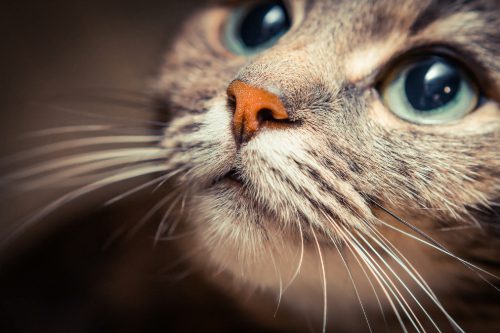
Normal Reasons a Cat’s Nose Changes Color
Not every instance of a cat nose changing color points to a problem. In fact, many color changes fall well within the range of normal feline variation.
Cats experience natural fluctuations in pigmentation and circulation throughout the day. Their noses respond quickly to environmental factors and internal rhythms. These shifts can make the nose appear lighter in the morning, darker in the afternoon, or slightly different from season to season.
Common non-medical reasons for nose color changes include:
- Temperature changes in the home or outdoors
- Increased activity or rest affecting circulation
- Emotional responses such as excitement or stress
- Natural aging and pigment redistribution
For many cats, these changes are subtle and temporary. Observing patterns over time often helps distinguish normal variation from something more concerning.
Age, Pigment, and Genetics
Pigmentation plays a major role in whether a cat nose changing color appears dramatic or barely noticeable. Some cats are born with noses that darken as they age, while others experience gradual lightening later in life.
Kittens often start with lighter noses that deepen in color as pigment develops. Adult cats may see mild changes as melanin distribution shifts over time. Genetics strongly influence this process, and certain coat colors and patterns correlate with specific nose color tendencies.
Breed and genetic background can influence nose color changes in several ways:
- Cats with lighter coats may show more visible color variation
- Darker-coated cats may experience subtle changes that are harder to detect
- Multicolored or patterned cats may have noses that appear mottled or uneven
These changes usually occur slowly and evenly. Sudden or uneven color shifts deserve closer attention.
Environmental Factors That Affect Nose Color
The environment plays a surprisingly large role in a cat nose changing color. Indoor cats, outdoor cats, and cats who move between both settings experience different triggers that can influence nose appearance.
Sun exposure can deepen pigmentation over time, especially in cats who enjoy sunny windowsills. Seasonal temperature changes may also cause noticeable shifts, with cooler months often bringing paler noses and warmer months restoring richer color.
Humidity, air quality, and even household heating systems can contribute to mild changes. These environmental influences usually affect the nose evenly and do not cause discomfort. Monitoring how your cat’s nose responds to seasonal changes can provide helpful context when evaluating what is normal for your pet.
When a Changing Nose Color May Signal a Health Concern
While many causes of a cat nose changing color are harmless, some changes may reflect underlying medical issues. Persistent color changes, especially when paired with other symptoms, warrant professional evaluation.
A nose that remains pale, bluish, or gray may indicate circulation or oxygenation concerns. Darkening, crusting, or uneven pigmentation can sometimes point to skin-related conditions or systemic issues. These changes often develop alongside shifts in appetite, energy level, grooming habits, or behavior.
Signs that suggest a veterinary visit is appropriate include:
- Nose color changes that do not resolve over time
- Swelling, sores, or texture changes on the nose
- Behavioral changes such as lethargy or hiding
- Reduced appetite or changes in drinking habits
Veterinarians rely on a full physical exam and diagnostic testing to determine whether a nose color change connects to an internal issue.
Why Is My Cat’s Nose White?
One of the most common concerns tied to a cat nose changing color is when a normally pink or darker nose appears pale or white. This change can happen suddenly or gradually and may come and go.
A pale or white nose often relates to changes in blood flow. Cats regulate circulation efficiently, and shifts in temperature can temporarily reduce blood flow to the nose. A cool room, a drafty window, or even a long nap curled up in a shaded spot can cause the nose to lighten. Once the cat warms up, the nose usually returns to its typical color.
Stress can also affect circulation. A recent car ride, a new environment, or a loud household event may briefly alter blood flow and make the nose appear lighter. In these cases, the color change often resolves once the cat feels relaxed again. However, if a white or pale nose persists or appears alongside other changes in behavior or energy, it may signal a deeper issue that should be evaluated by a veterinarian.
How Veterinarians Diagnose the Cause of Your Cat’s Nose Color Change
When assessing a cat nose changing color, veterinarians look beyond the nose itself. They evaluate the cat as a whole, gathering information that helps determine whether the change is cosmetic, environmental, or medical.
What to Expect at the Vet
Veterinary teams typically review your cat’s history, environment, and recent changes. They assess circulation, hydration, and overall condition during a physical exam. Diagnostic tools may be recommended to gain additional insight.
Common evaluation steps include:
- Reviewing recent behavior, appetite, and activity levels
- Performing a full physical examination
- Assessing gum color and capillary refill time
- Recommending laboratory testing or imaging when appropriate
This thorough approach allows veterinarians to identify patterns and rule out potential concerns without relying on guesswork.
Seasonal and Temporary Changes to Watch Over Time
Tracking patterns helps pet owners better understand a cat nose changing color. Temporary changes often follow predictable cycles linked to seasons, activity, or daily routines.
For example, a cat’s nose may appear lighter after long naps or during winter months and darker after play or sun exposure. Keeping mental notes or even photos over time can help identify what is normal for your cat.
Consistency matters. Gradual, symmetrical changes tend to raise fewer concerns than sudden, uneven shifts. If something looks different and stays different, a professional opinion provides clarity and reassurance.
Supporting Your Cat Through Observation and Veterinary Care
Cats communicate subtle changes through their bodies, and the nose is one of many indicators veterinarians consider. A cat nose changing color becomes most meaningful when viewed in context with overall health, behavior, and routine.
Routine wellness exams allow veterinarians to establish baselines for your cat’s normal appearance. These visits make it easier to recognize meaningful changes early. If you ever feel uncertain, reaching out to your veterinary team helps ensure your cat receives timely and appropriate care.
For questions about nose color changes or to schedule an exam, call Bayshore Veterinary Hospital at (732) 671-3110 or request an appointment online.
A Closer Look at What Your Cat’s Nose Can Tell You
A cat nose changing color often reflects the natural rhythms of feline biology, environment, and aging. While many changes are harmless and temporary, others provide valuable clues about a cat’s internal health. Paying attention to patterns, staying consistent with veterinary visits, and seeking professional guidance when something seems off help pet owners stay informed and proactive. By understanding what influences nose color, you gain another tool for recognizing when your cat is thriving and when a closer look may be needed.
Recent Posts
About Us
Bayshore Veterinary Hospital has been caring for pets and their families since 2001, building trusted relationships through compassionate, Fear Free veterinary care. Whether your visit is for a routine checkup or something unexpected, we’re here to listen, support, and guide you every step of the way. Call (732) 671-3110 if you have any questions or would like to schedule an appointment.