
Why can’t dogs eat chocolate? It’s a question many pet owners ask after a holiday spill, a curious nose in a candy bowl, or a well-meaning child offering a sweet treat. Chocolate isn’t just an unhealthy snack for dogs; it contains compounds their bodies struggle to process safely. We often meet worried families who never expected a small bite to cause concern. Understanding why dogs can’t eat chocolate helps you make faster, calmer decisions when accidents happen and protects your dog from risks that are easy to prevent.
At Bayshore Veterinary Hospital, we focus on education that empowers pet owners. When you know what makes chocolate dangerous for dogs, you can act with confidence and avoid unnecessary stress.
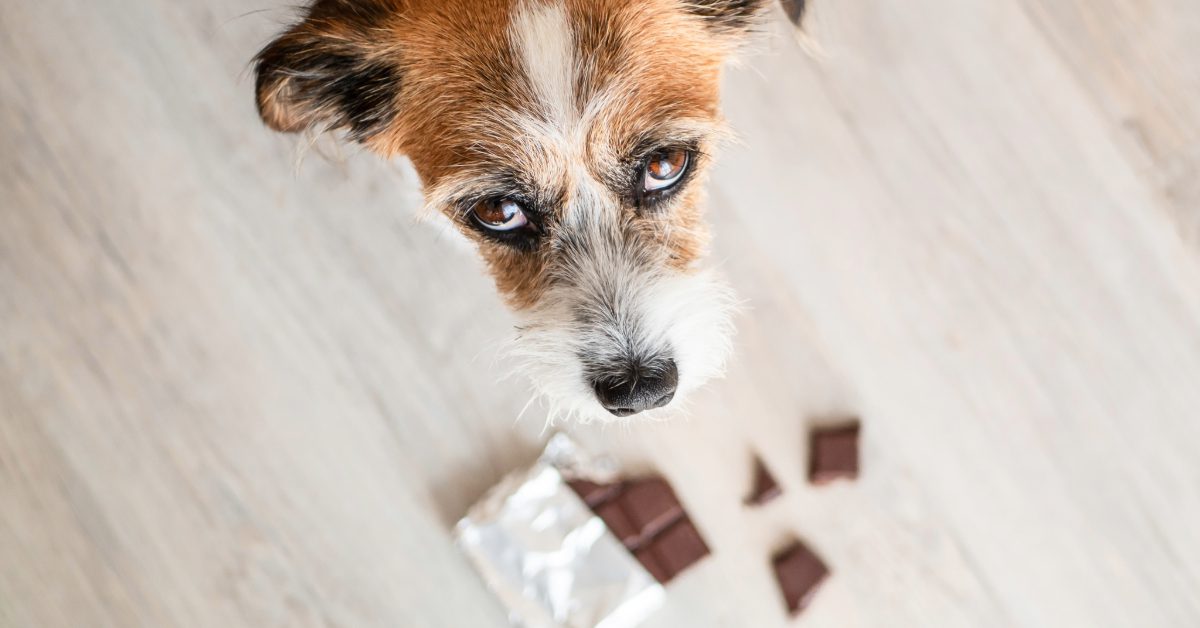
What Makes Chocolate Dangerous for Dogs?
Chocolate contains two natural stimulants called theobromine and caffeine. Humans break these down quickly, but dogs process them much more slowly. As these substances remain in a dog’s system, they can build to levels that affect the nervous system, heart, and muscles. This difference in metabolism explains why dogs can’t eat chocolate even when the amount seems small.
The darker and more concentrated the chocolate, the higher the risk. Baking chocolate, cocoa powder, and dark chocolate contain much more theobromine than milk chocolate. White chocolate contains very little, yet it still carries fat and sugar that can upset a dog’s digestive system.
When pet owners ask why can’t dogs eat chocolate, the answer always comes back to how differently their bodies handle these compounds. Even dogs of similar size may react differently depending on breed, age, and health history.
How Chocolate Affects a Dog’s Body
Once ingested, theobromine enters a dog’s bloodstream and stimulates the central nervous system. This stimulation can cause restlessness, increased heart rate, and changes in muscle control. Because dogs reabsorb theobromine in their bladder, the compound can continue circulating for hours.
Chocolate exposure may affect:
- The heart’s rhythm and rate
- Muscle coordination and strength
- Digestive comfort
- Overall energy and behavior
Many owners are surprised that symptoms can appear gradually. A dog may seem fine at first, then show changes later. This delayed response explains why understanding why dogs can’t eat chocolate matters even when your pet seems normal right after exposure.
Signs That Chocolate May Be Causing a Problem
Chocolate reactions don’t look the same in every dog, but certain patterns appear often in veterinary care. Watching for changes helps owners decide when to call their veterinarian.
Common signs may include:
- Restlessness or pacing
- Vomiting or diarrhea
- Rapid breathing or heartbeat
- Muscle tremors or stiffness
- Increased thirst or urination
Behavior shifts often appear before physical symptoms. A normally calm dog may seem unusually alert, anxious, or unable to settle. These changes reinforce why dogs can’t eat chocolate safely.
Why Size and Type of Chocolate Matter
Many pet owners wonder if a small dog faces more risk than a large one. Size plays a role, but chocolate type often matters just as much. Darker chocolate delivers higher theobromine levels in smaller amounts.
Dark Chocolate and Baking Chocolate
Dark chocolate and baking chocolate contain the highest concentrations. Even small pieces may create noticeable effects, especially in smaller dogs. These forms explain many emergency veterinary visits tied to chocolate exposure.
Milk Chocolate and Candy Bars
Milk chocolate contains less theobromine, yet dogs can still react depending on how much they eat. Candy bars also include sugar, fat, and additives that can upset digestion.
White Chocolate and Other Sweets
White chocolate carries minimal theobromine, but it still contains fat and sugar. While it may not trigger classic chocolate toxicity, it can still cause stomach discomfort. This distinction often confuses owners asking why can’t dogs eat chocolate when white chocolate seems less harmful.
Common Situations Where Dogs Find Chocolate
Chocolate usually enters a dog’s reach during everyday moments. Understanding these situations helps prevent repeat accidents.
- Holiday candy bowls left on coffee tables
- Gift baskets under the tree
- Baking supplies on kitchen counters
- Children sharing snacks
- Wrapped chocolate in purses or backpacks
Dogs rely on scent more than sight, so wrappers rarely stop them. Many exposures happen in seconds, which is why preparation matters.
What to Do If Your Dog Eats Chocolate
When a dog eats chocolate, staying calm allows you to respond thoughtfully. Begin by noting the type of chocolate, the estimated amount, and the time of exposure. This information helps your veterinary team evaluate the situation.
You can also take simple safety steps at home, such as removing any remaining chocolate from reach and keeping your dog in a quiet area where you can observe changes.
When to Call Your Veterinarian
Any chocolate exposure deserves attention, even when symptoms appear mild. Calling your veterinary team allows you to describe what happened and receive guidance based on your dog’s size, age, and health history.
At Bayshore Veterinary Hospital, we encourage owners to trust their instincts. If something feels off, reaching out provides peace of mind. You can call (732) 671-3110 or book an appointment online to speak with our team.
Why Dogs Are Attracted to Chocolate
Chocolate smells rich and sweet to dogs. Many chocolates also contain milk, nuts, or fillings that appeal to their senses. Dogs don’t recognize danger through taste alone, which explains why they don’t stop after one bite.
Safe Treat Alternatives
Dogs enjoy variety, texture, and smell more than sweetness. Many commercial dog treats provide flavor and enrichment without risk. Fresh fruits and vegetables approved for dogs, such as apples without seeds or plain carrots, may also offer a safe snack option when used in moderation.
Choosing dog-specific treats supports dental health, digestion, and training goals while avoiding chocolate exposure altogether.
Why Education Makes the Biggest Difference
Understanding why dogs can’t eat chocolate changes how owners store, share, and serve food at home. Education turns accidental risks into preventable moments. Families who learn early often avoid future emergencies.
We believe informed pet owners create safer environments. Each conversation strengthens the bond between people and pets while reducing unnecessary stress.
A Sweeter Choice Than Chocolate: Protecting Your Dog Every Day
So, why can’t dogs eat chocolate? Because their bodies process it differently, their nervous systems respond more intensely, and their safety depends on prevention. With awareness, thoughtful storage, and fast communication with your veterinarian, chocolate accidents become far less common.
If your dog ever eats chocolate or you have questions about safe foods, Bayshore Veterinary Hospital is here to guide you. Call (732) 671-3110 or book an appointment online to keep your dog’s days focused on joy, play, and treats made just for them.
Recent Posts
About Us
Bayshore Veterinary Hospital has been caring for pets and their families since 2001, building trusted relationships through compassionate, Fear Free veterinary care. Whether your visit is for a routine checkup or something unexpected, we’re here to listen, support, and guide you every step of the way. Call (732) 671-3110 if you have any questions or would like to schedule an appointment.