
Cat herpes is a common viral infection that many cats encounter at some point in their lives, often without their owners realizing it at first. A kitten with watery eyes, an adult cat with frequent sneezing, or a senior cat that seems to have recurring respiratory flare-ups may all share the same underlying cause. This virus tends to settle in quietly, then resurface during times of stress or illness, which can make the signs feel unpredictable. Understanding what cat herpes looks like, how it behaves, and why it lingers helps pet owners feel more prepared and less caught off guard. With the right veterinary guidance, cats with this condition can still enjoy comfortable, happy lives.
What Is Cat Herpes?
Cat herpes, also known as feline herpesvirus type-1, is a viral infection that primarily affects a cat’s upper respiratory system and eyes. Once a cat becomes infected, the virus remains in the body for life, even if symptoms disappear for long stretches of time. Many cats pick up the virus early in life, often through close contact with other cats in shelters, multi-cat households, or boarding environments. After the initial infection, the virus can go dormant, hiding in nerve tissue until something triggers it to reactivate. Stress, environmental changes, or other illnesses often play a role in these flare-ups, which is why symptoms may come and go.
The virus itself targets tissues in the nose, throat, and eyes, leading to many of the classic signs pet owners notice. Because cat herpes is so widespread, it is one of the most common causes of feline upper respiratory infections. While it can sound alarming, most cases are manageable with veterinary care and monitoring. The key lies in recognizing symptoms early and knowing when to involve your veterinarian.
Common Signs and Symptoms of Cat Herpes
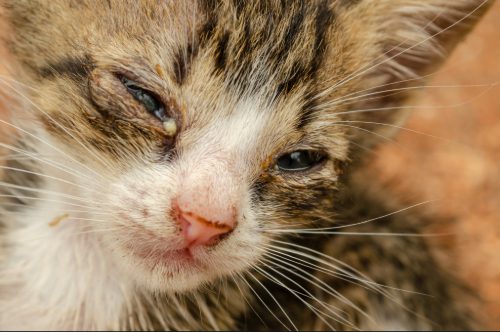
The signs of cat herpes can range from mild to more noticeable, depending on the cat’s age, immune system, and overall health. Some cats show only subtle symptoms, while others experience recurring episodes that are hard to miss. These signs often resemble a cold in people, which can make them easy to overlook at first. Paying close attention to changes in your cat’s behavior, appetite, or appearance can make a difference in how quickly the condition is addressed.
Common symptoms may include:
- Sneezing and nasal congestion that lingers or returns
- Watery, cloudy, or crusty eye discharge
- Red, irritated, or swollen eyes
- Squinting or holding one eye closed
- Reduced appetite due to congestion affecting the sense of smell
Cats may also seem more tired than usual or withdraw from normal activities during flare-ups. In kittens, symptoms can appear more severe because their immune systems are still developing. Adult cats may show milder signs but experience recurring episodes throughout life. Even when symptoms fade, the virus remains present, which is why understanding long-term management matters.
How Cat Herpes Is Diagnosed
Diagnosing cat herpes often starts with a thorough physical exam and a discussion about your cat’s history. Veterinarians look at eye health, nasal discharge, breathing patterns, and overall condition to piece together what may be going on. Because the symptoms of cat herpes overlap with other respiratory infections, diagnosis relies heavily on clinical signs and patterns rather than a single test. In some cases, additional diagnostics may help rule out other conditions or confirm suspicions.
Your veterinarian may consider factors such as how long symptoms have lasted, whether they tend to recur, and if other cats in the household show similar signs. Kittens and cats from shelters or multi-cat environments often raise a higher level of suspicion. While there are laboratory tests that can detect the virus, they are not always required to move forward with a care plan. The goal of diagnosis is to understand the full picture so your cat receives appropriate veterinary support.
Can a Cat With Herpes Be Around Other Cats?
Cats with herpes can be around other cats, but the situation requires thoughtful management and awareness. The virus spreads through direct contact with saliva, nasal discharge, or eye secretions, which means shared bowls, grooming, or close play can increase the risk. Cats are most contagious during active flare-ups, when sneezing and eye discharge are present. During dormant periods, the risk of transmission is lower but not completely absent.
In multi-cat households, veterinarians often focus on reducing stress and monitoring interactions closely. Stress can trigger flare-ups, which in turn raises the chance of spreading the virus to other cats. Good hygiene, regular veterinary checkups, and early attention to symptoms help limit issues. Many households successfully manage cats with herpes alongside healthy companions, especially when guided by a veterinary team.
Managing Multi-Cat Homes
Living with multiple cats adds another layer of consideration when cat herpes is part of the picture. Cats thrive on routine, and disruptions can increase stress levels, making flare-ups more likely. Providing separate resting areas, minimizing competition for resources, and watching for early signs of illness can help maintain harmony. Veterinary guidance becomes especially important in these settings to ensure each cat’s health needs are met.
Can Cat Herpes Spread to Humans?
One common concern among pet owners is whether cat herpes poses a risk to people. The good news is that cat herpes is species-specific, meaning it does not spread from cats to humans. People cannot catch this virus from their cats, even through close contact. This makes it different from some other infections that can cross species lines.
While cat herpes does not infect humans, basic hygiene remains important in any household with pets. Washing hands after handling eye or nasal discharge and keeping living spaces clean supports overall household health. Understanding that the virus stays within the feline population can ease worries and allow owners to focus on their cat’s comfort and care instead of personal risk.
Long-Term Outlook for Cats With Herpes
The long-term outlook for cats with herpes is generally positive, especially with ongoing veterinary oversight. Many cats live full, comfortable lives despite carrying the virus. Flare-ups may occur from time to time, but they often become more manageable as owners learn their cat’s patterns and triggers. Regular wellness visits help track changes and address concerns early.
Cats with strong immune systems may experience fewer symptoms as they age, while others continue to have periodic episodes. Environmental stability, reduced stress, and attentive veterinary care all contribute to better outcomes. By staying informed and proactive, pet owners can support their cat’s quality of life over the long term.
When to Contact Your Veterinarian
Recognizing when to reach out to a veterinarian plays a major role in managing cat herpes. Persistent sneezing, eye discharge that does not improve, or noticeable changes in appetite or behavior warrant professional attention. Kittens, senior cats, and cats with other health conditions may need closer monitoring because symptoms can escalate more quickly. Early evaluation helps prevent complications and supports more comfortable recovery during flare-ups.
If your cat shows signs of cat herpes or has recurring respiratory or eye concerns, call (732) 671-3110 or request an appointment online with Bayshore Veterinary Hospital. Early conversations with your veterinarian help keep small issues from becoming bigger problems and support your cat’s comfort for years to come.
Recent Posts
About Us
Bayshore Veterinary Hospital has been caring for pets and their families since 2001, building trusted relationships through compassionate, Fear Free veterinary care. Whether your visit is for a routine checkup or something unexpected, we’re here to listen, support, and guide you every step of the way. Call (732) 671-3110 if you have any questions or would like to schedule an appointment.