
Constipation in dogs occurs when bowel movements become infrequent, difficult, or incomplete, often leaving dogs uncomfortable and owners concerned. Many pet owners first notice something feels off during routine walks, when a dog strains without results or produces hard, dry stool. These subtle changes can quickly turn stressful, especially when a dog’s normal habits suddenly shift. While occasional changes in bowel movements can happen, ongoing constipation deserves attention because it may point to digestive slowdowns or underlying health concerns. Understanding how constipation presents and how veterinarians approach treatment helps pet owners know when to seek professional care. At Bayshore Veterinary Hospital in Holmdel, NJ, our team frequently evaluates dogs with bowel concerns and helps guide families toward safe, appropriate care.
Common Causes of Constipation in Dogs
Constipation in dogs rarely appears without reason. Many cases stem from factors that slow digestive movement or reduce stool moisture. Dehydration remains a frequent contributor, as adequate water intake supports normal stool formation. Dogs that consume insufficient fluids may pass stool that is harder and more difficult to move through the colon. Dietary composition can also influence stool consistency, especially when fiber balance shifts.
Mobility and lifestyle factors play a role as well. Dogs with limited exercise or joint discomfort may avoid postures that support normal elimination. Aging dogs often experience changes in muscle tone that affect bowel movements. Certain treatments or supplements may also alter digestion, leading to slower transit times. Identifying these contributors helps veterinarians determine the most appropriate course of care.
Underlying Health Conditions to Consider
In some situations, constipation in dogs reflects an underlying medical concern rather than a temporary digestive change. Conditions affecting the colon, pelvic region, or nervous system can interfere with normal bowel movement. Hormonal imbalances or metabolic disorders may also impact digestive efficiency. Because these conditions require specific management, professional evaluation is essential when constipation persists.
Veterinary insight allows treatment to focus on both symptom relief and long-term digestive health. Addressing root causes reduces recurrence and supports overall well-being.
Signs of Constipation in Dogs
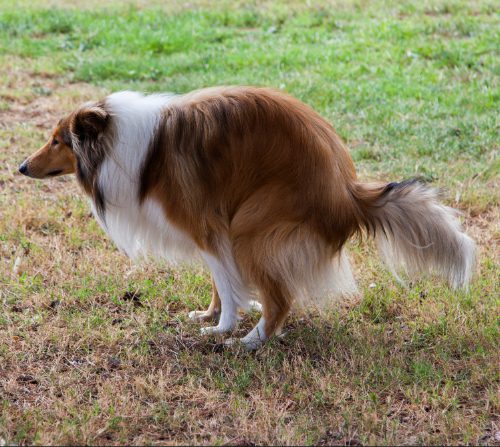
Recognizing the signs of constipation in dogs often begins with noticing changes in routine bathroom behavior. Dogs that normally pass stool without difficulty may start straining, circling repeatedly, or squatting for extended periods with little to no result. Some dogs produce stool that appears small, dry, or unusually hard, which can signal slowed movement through the digestive tract. Others may show discomfort through restlessness, vocalizing, or reluctance to walk or sit comfortably. These signs may develop gradually, making them easy to overlook at first.
Beyond bowel habits, constipation in dogs can affect overall behavior and appetite. Some dogs eat less, appear lethargic, or seem withdrawn when digestive discomfort persists. Abdominal tension or bloating may also be noticeable, especially in dogs prone to gastrointestinal sensitivity. In certain cases, dogs may lick around the hind end more frequently or show signs of discomfort when that area is touched. These changes suggest the digestive system is not functioning as smoothly as it should.
Common signs pet owners report include:
- Straining or repeated attempts to pass stool
- Hard, dry, or pebble-like bowel movements
- Decreased appetite or low energy
- Abdominal discomfort or bloating
When constipation in dogs lasts more than a short period or worsens, veterinary evaluation becomes important. Persistent symptoms may indicate dehydration, dietary imbalances, mobility limitations, or other health conditions affecting bowel function. Early evaluation allows veterinarians to determine what is contributing to the issue and recommend appropriate next steps.
How to Relieve Constipation in Dogs
Addressing constipation in dogs begins with understanding why it is happening. Veterinary professionals focus on identifying contributing factors rather than simply addressing the symptom itself. During an exam, a veterinarian may review a dog’s diet, activity level, hydration status, and medical history. Physical examination helps assess abdominal comfort, stool consistency, and overall health. In some cases, diagnostic testing supports a clearer picture of digestive function.
Veterinary treatment for constipation in dogs depends on severity and underlying cause. Mild cases may resolve once contributing factors are identified and addressed under professional guidance. More persistent cases may require medical intervention to support bowel movement and comfort. Veterinarians select treatment approaches carefully to reduce discomfort while protecting digestive health. Each plan reflects the dog’s age, size, and overall condition.
When to Contact Your Veterinarian
Knowing when to seek veterinary care for constipation in dogs helps prevent discomfort from escalating. Occasional changes may resolve quickly, but repeated straining or prolonged absence of bowel movements warrants attention. Dogs showing pain, lethargy, or appetite loss alongside constipation should be evaluated promptly. These signs suggest the digestive issue may be affecting overall health.
Veterinary visits provide reassurance through professional assessment and guidance. Early intervention often shortens recovery time and reduces stress for both dogs and their owners. At Bayshore Veterinary Hospital, our team works closely with families to evaluate digestive concerns and determine the most appropriate next steps.
Diagnosing and Treating Dog Constipation
When constipation continues or recurs, veterinarians may recommend diagnostic steps to rule out structural or systemic concerns. Imaging studies can help assess stool buildup or identify blockages within the colon. Bloodwork may evaluate hydration status or organ function that influences digestion. These tools allow the veterinary team to tailor treatment safely and effectively.
Treatment options managed by veterinarians may include:
- Treatments that support stool movement under supervision
- Adjustments guided by veterinary nutritional recommendations
- Monitoring and follow-up exams to assess progress
By addressing constipation in dogs through a medical lens, veterinarians reduce the risk of complications and help restore comfortable bowel habits. This approach ensures that relief aligns with the dog’s broader health needs.
Supporting Digestive Health Through Veterinary Care
Managing constipation in dogs involves more than addressing a single episode. Ongoing digestive health benefits from regular veterinary checkups, nutritional guidance, and monitoring changes over time. Preventive care allows veterinarians to identify subtle shifts before they become significant concerns. Consistent care also helps pet owners feel confident in recognizing what is normal for their dog.
If your dog shows signs of constipation or changes in bowel habits, professional evaluation can provide clarity and direction. To schedule an appointment, call (732) 671-3110 or request an appointment online through Bayshore Veterinary Hospital. Our team is here to support your dog’s digestive health with thoughtful, individualized care.
Recent Posts
About Us
Bayshore Veterinary Hospital has been caring for pets and their families since 2001, building trusted relationships through compassionate, Fear Free veterinary care. Whether your visit is for a routine checkup or something unexpected, we’re here to listen, support, and guide you every step of the way. Call (732) 671-3110 if you have any questions or would like to schedule an appointment.