
When people ask, “do dogs lose teeth,” they are usually looking for reassurance. Tooth loss can feel alarming, especially when it happens suddenly or without obvious symptoms. The key is understanding why a tooth is missing and whether the loss fits a normal pattern or suggests a deeper dental issue. Tooth loss is rarely random, and recognizing the difference helps pet owners make informed decisions about next steps.
Some tooth loss is a normal developmental milestone, while other cases point to dental disease, injury, or long-term changes in the mouth that should not be overlooked. At Bayshore Veterinary Hospital, this question often comes up when pet owners notice a missing tooth during brushing, find one on the floor, or realize their dog is chewing more slowly or favoring one side of the mouth.
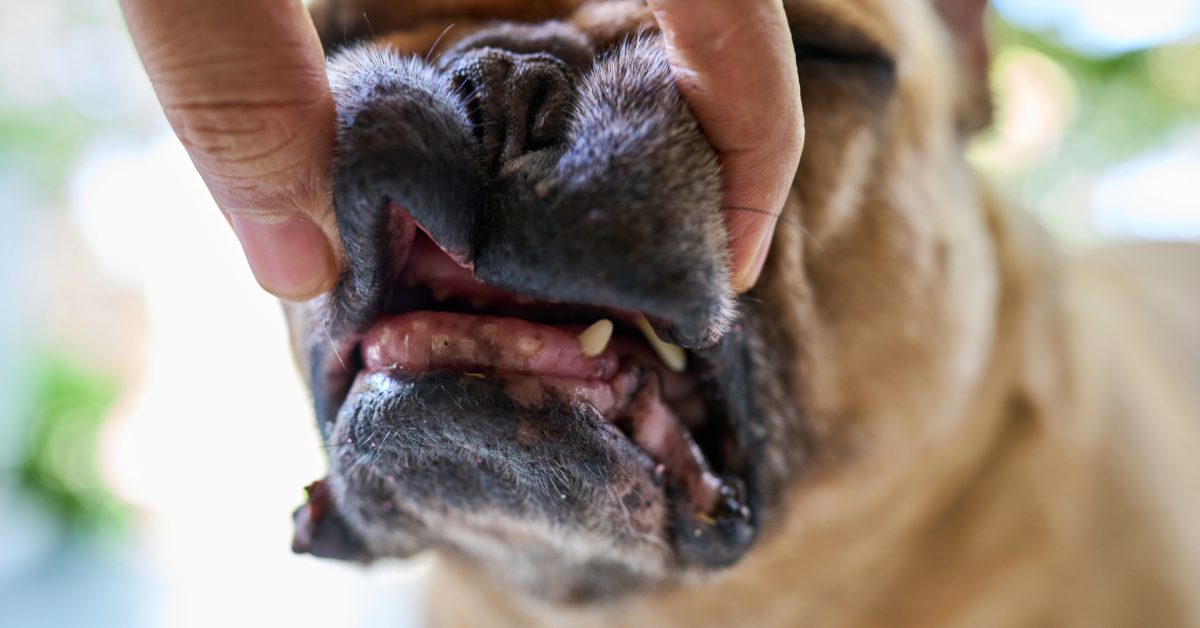
Do Dogs Lose Their Baby Teeth?
Yes, dogs lose their baby teeth, and this part of tooth loss is both expected and healthy. Puppies are born without teeth and develop their first set of deciduous teeth within the first few weeks of life. These baby teeth help puppies transition from nursing to solid food and support early chewing behaviors.
Most puppies begin losing baby teeth between 3 and 4 months of age. Adult teeth gradually erupt beneath the baby teeth and push them out naturally. By about 6 months of age, most dogs have a full set of 42 permanent adult teeth.
What Normal Puppy Tooth Loss Looks Like
During this stage, puppies often chew more frequently. Chewing helps relieve gum sensitivity and supports the natural shedding process. Pet owners may occasionally find tiny teeth in bedding, toys, or on the floor, though many puppies swallow baby teeth without issue.
Normal signs during puppy tooth loss include:
- Increased chewing or mouthing behaviors
- Mild gum redness without swelling or discharge
- Temporary sensitivity when eating harder foods
When people ask “do dogs lose teeth” during puppyhood, the answer is yes, and in these cases, tooth loss reflects healthy development rather than a problem.
Retained Baby Teeth and Long-Term Dental Impact
In some puppies, baby teeth fail to fall out on schedule. Retained baby teeth can crowd adult teeth and create tight spaces that trap food and plaque. Over time, this crowding increases the risk of early dental disease. Routine veterinary exams during puppyhood allow retained teeth to be identified before they affect long-term oral health.
Do Dogs Lose Teeth as Adults?
Adult dogs should not routinely lose teeth, and when they do, it usually indicates an underlying issue rather than normal aging. The most common cause of tooth loss in adult dogs is periodontal disease, a progressive condition that affects the gums, ligaments, and bone supporting the teeth.
Periodontal disease begins with plaque buildup along the gumline. When plaque is not removed, it hardens into tartar and allows bacteria to move beneath the gums. Over time, inflammation damages the structures that anchor the teeth, causing them to loosen or fall out.
Common reasons adult dogs lose teeth include:
- Advanced periodontal disease
- Fractured teeth from chewing hard objects
- Severe infection at the tooth root
When clients ask “do dogs lose teeth as they get older,” the answer usually reflects years of gradual dental change rather than a single event.
Can Older Dogs Lose Teeth Naturally?
Age alone does not cause teeth to fall out. Healthy teeth can remain functional for a dog’s entire life. However, older dogs lose teeth more often because dental disease becomes more common when plaque and tartar accumulate over many years.
Long-term oral changes that increase risk include gum recession, weakening of the jawbone, and reduced resistance to bacterial inflammation. Tooth loss in senior dogs often reflects cumulative dental history rather than age itself.
Why Tooth Loss May Appear Sudden
Dental disease frequently progresses beneath the gumline, where damage is not visible. Dogs often continue eating normally even with significant oral discomfort. As a result, tooth loss may seem sudden, even though disease has been present for some time.
If you are asking whether dogs lose teeth simply because they are seniors, it’s more accurate to say that consistent dental care throughout life plays a larger role than age.
Do Small Dogs Lose Teeth More Often Than Large Dogs?
Yes, smaller dogs tend to experience dental disease at higher rates than larger breeds. Crowded teeth, shallow roots, and tighter spacing allow plaque to accumulate more quickly and make thorough cleaning more challenging.
For small breeds, pet owners may ask if dogs lose teeth earlier in life. Early dental monitoring and consistent oral care play an important role in preserving teeth long term.
What If Your Dog Loses a Tooth Suddenly?
Sudden tooth loss in an adult dog should always be noted, even if your dog seems comfortable. Trauma, advanced infection, or severe gum disease may all cause a tooth to fall out unexpectedly.
Before contacting your veterinarian, it helps to observe:
- Whether the surrounding gums appear swollen, bleeding, or inflamed
- Changes in eating habits or chewing behavior
- Signs of pawing at the mouth or avoiding toys
When Should You Call Your Veterinarian?
You should contact your veterinary team if you notice:
- Tooth loss in an adult dog
- Bleeding, swelling, or discharge from the gums
- Persistent bad breath
- Changes in chewing or appetite
If you’re unsure whether dogs lose teeth for normal reasons or due to dental disease, the team at Bayshore Veterinary Hospital can help. Call (732) 671-3110 or book an appointment online to discuss your dog’s dental health.
How Tooth Loss Can Affect Your Dog’s Daily Life
Tooth loss affects more than appearance. Missing teeth can change how a dog chews, influence food preferences, and allow bacteria to spread within the mouth. Dogs may chew more slowly, drop food, or avoid certain textures.
Over time, oral bacteria associated with dental disease may contribute to inflammation beyond the mouth. This connection is one reason the question “do dogs lose teeth” matters in a broader health context. Oral health influences comfort, nutrition, and overall quality of life.
General At-Home Dental Habits That Support Oral Health
While dental disease requires professional care, consistent at-home routines help reduce plaque accumulation and support long-term oral health. These habits focus on prevention rather than treatment.
Supportive dental habits include:
- Brushing teeth with dog-specific toothpaste several times per week
- Offering dental chews designed to reduce plaque
- Performing routine visual checks of the mouth
These steps help slow the progression of dental disease and reduce the likelihood of future tooth loss.
Every Missing Tooth Has a Story
So, do dogs lose teeth? Yes, but the reason behind that loss matters. Puppy tooth loss is expected, while adult tooth loss often signals dental disease or injury. Oral health connects directly to comfort, nutrition, and long-term wellness at every life stage.
If you’ve noticed changes in your dog’s teeth or gums, reach out to Bayshore Veterinary Hospital. Early evaluation helps protect your dog’s smile and supports healthier years ahead.
Recent Posts
About Us
Bayshore Veterinary Hospital has been caring for pets and their families since 2001, building trusted relationships through compassionate, Fear Free veterinary care. Whether your visit is for a routine checkup or something unexpected, we’re here to listen, support, and guide you every step of the way. Call (732) 671-3110 if you have any questions or would like to schedule an appointment.