
Should you bathe your cat? For most healthy adult cats, regular baths aren’t necessary as cats are remarkably efficient self-groomers. But there are specific situations where bathing your cat is not only appropriate but genuinely important for their health and comfort. This blog will help you understand when and how to bathe a cat to save you a lot of stress (and scratches), and cover everything you need to know.
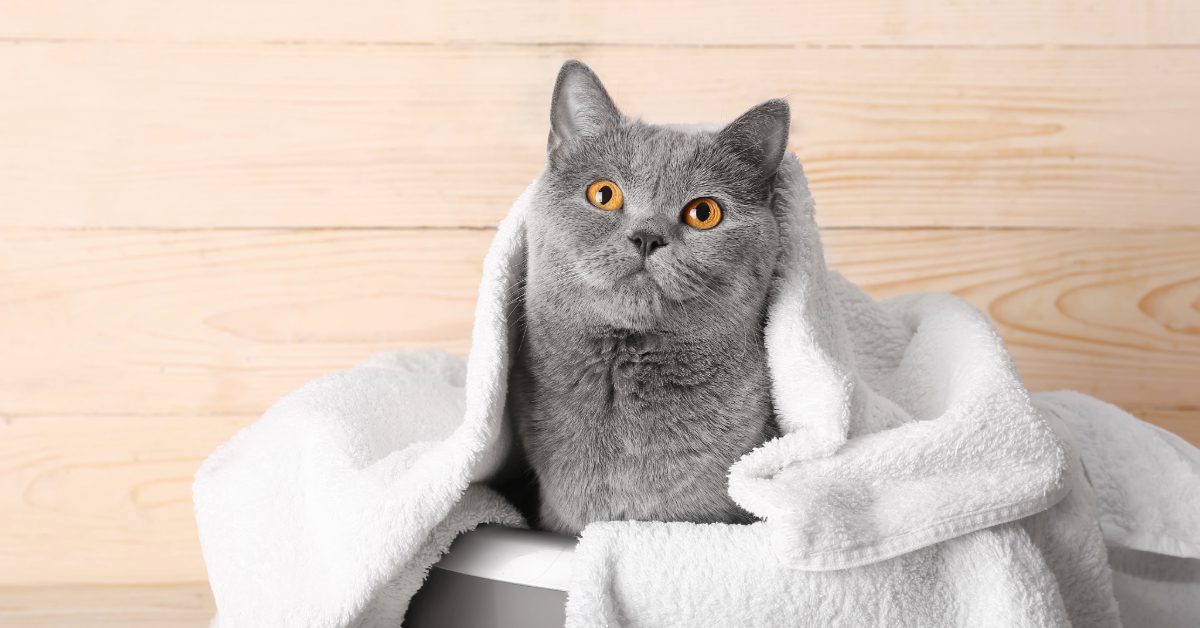
Do Cats Need Baths?
Most cats do not need regular baths. Cats spend a significant portion of their waking hours grooming themselves, and their tongue, equipped with tiny backward-facing barbs, is remarkably effective at removing loose hair, debris, and surface dirt. A healthy cat with a clean indoor environment and no skin conditions can typically maintain a clean coat without any help. That said, there are situations where a cat bath is necessary and in those cases, knowing how to do it correctly matters.
When Should You Bathe Your Cat?
Bathing a cat is recommended in certain specific circumstances:
- Your cat has gotten into something toxic, sticky, or difficult to remove — if your cat has contacted a chemical, oil, plant sap, or anything potentially harmful, a bath may be necessary to prevent them from ingesting it during grooming.
- Your cat has a flea infestation — your veterinarian may recommend a flea bath as part of a comprehensive treatment plan. (Note: over-the-counter flea shampoos are often ineffective and can be harmful; always consult your vet first.)
- Your cat has a skin condition that requires medicated shampoo — conditions like ringworm, bacterial skin infections, or seborrhea may call for prescription-strength shampoo as part of treatment.
- Your cat is elderly, overweight, or has mobility issues — cats who can’t reach all areas of their body to groom themselves may develop matted fur, skin irritation, or hygiene issues that make occasional bathing helpful.
- Your cat’s coat is severely matted — in these cases, a professional groomer or your veterinary team may handle this rather than a home bath.
Is It Bad to Bathe a Cat Too Often?
Yes, bathing a cat too frequently can strip natural oils from the coat and skin, leading to dryness, irritation, and a dull, brittle coat. For cats who do require regular bathing due to a medical condition, your veterinarian will recommend an appropriate frequency and the right shampoo to minimize these effects. Cats with no medical indication for bathing should generally be bathed only when truly necessary.
Can You Use Human Shampoo on a Cat?
No. Human shampoos including baby shampoo have a different pH than cat skin and can cause irritation, dryness, or allergic reactions. Always use a shampoo that is specifically formulated for cats. If your cat has a skin condition, use only the medicated or prescription shampoo recommended by your veterinarian.
How to Bathe a Cat Without Stressing Them Out
For cats who are not used to baths, the experience can be frightening. Here are some general principles for making cat bathing as low-stress as possible:
- Trim your cat’s nails beforehand to protect yourself
- Use warm (not hot) water and keep it shallow
- Use a gentle spray or cup to wet the coat rather than fully submerging your cat
- Work quickly and speak in a calm, reassuring voice
- Have towels ready to wrap your cat immediately after rinsing
- Keep the face dry and avoid getting water or shampoo in your cat’s eyes, ears, or nose
Some cats will never tolerate a bath without significant distress, and that’s okay. For cats who need regular bathing for medical reasons and are highly resistant to it, professional grooming or assistance from your veterinary team may be the better option.
Should Kittens Be Bathed?
Kittens can be bathed if truly necessary (such as a flea infestation), but they lose body heat much faster than adult cats and can become chilled quickly. If a kitten needs a bath, it should be brief, use only cat-safe shampoo, and be followed immediately by thorough drying in a warm environment. When in doubt, contact your vet before bathing a kitten.
What About Waterless Cat Shampoos?
Waterless or dry shampoos for cats can be a helpful option for spot cleaning or for cats who are extremely resistant to water. They can freshen the coat and remove surface dirt without a full bath. However, they’re not a substitute for a medicated bath when one is truly needed, and it’s worth checking with your vet to make sure the specific product is safe for your cat.
Talk to Your Vet Before You Lather Up
If you’re wondering whether your cat needs a bath, the best first step is asking your veterinarian. Our team at Bayshore Veterinary Hospital in Holmdel, NJ can assess your cat’s skin and coat health, let you know whether bathing is recommended, and help you choose the right products if it is. Unnecessary bathing can do more harm than good, but when a bath is genuinely needed, doing it correctly makes all the difference for your cat’s health and comfort. Call us at (732) 671-3110 or book an appointment online with any cat grooming questions.
Recent Posts
About Us
Bayshore Veterinary Hospital has been caring for pets and their families since 2001, building trusted relationships through compassionate, Fear Free veterinary care. Whether your visit is for a routine checkup or something unexpected, we’re here to listen, support, and guide you every step of the way. Call (732) 671-3110 if you have any questions or would like to schedule an appointment.