
Your cat meowing more than usual all of a sudden isn’t just annoying. It’s a message. Cats don’t change their vocal habits without a reason, and a sudden increase in meowing almost always points to something worth investigating, whether that’s a medical condition, a change in their environment, or a need they’re trying to communicate. Understanding what’s driving the behavior is the first step toward addressing it. Keep reading to find out the most common reasons cats suddenly become more vocal, what warning signs to watch for, and when it’s time to get your vet involved.
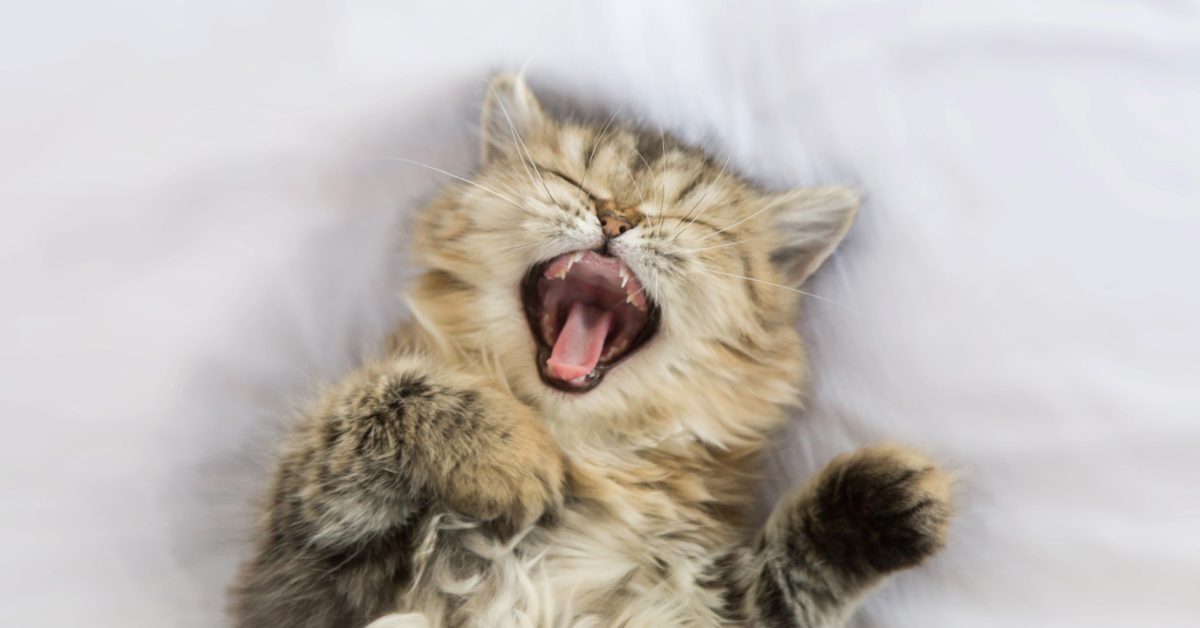
Common Reasons Your Cat Is Meowing So Much All of a Sudden
Cats are famously independent, but they’re also surprisingly communicative. When your cat suddenly starts meowing more than usual, it’s rarely random. Most sudden increases in cat vocalization point to something specific and often something that can be addressed with the right veterinary care or environmental adjustments.
Here are some of the most common reasons your cat won’t stop meowing:
- Medical conditions such as hyperthyroidism, high blood pressure, cognitive dysfunction, or pain can cause sudden excessive meowing, especially in older cats.
- Hunger or thirst, if your cat’s food or water routine has changed, they’ll let you know loudly.
- Stress or anxiety triggered by a new pet, a move, a new baby, or even rearranged furniture.
- Reproductive behavior in unspayed or unneutered cats as cats in heat are notoriously vocal.
- Loneliness or boredom, especially if your household schedule has recently changed.
Could Your Cat Be in Pain?
One of the most important things to consider when your cat is meowing excessively is whether they’re in pain. Cats often mask discomfort, but when pain becomes significant, they may vocalize more. If your cat is meowing loudly and persistently, hiding, moving stiffly, or not eating, these could be signs of an underlying medical issue that needs veterinary attention.
Senior Cats and Sudden Vocalization
If you have an older cat who is suddenly meowing a lot at night, cognitive dysfunction syndrome, sometimes called feline dementia, may be a factor. Cats with cognitive decline can become disoriented, especially in low light, which leads to nighttime yowling. Hyperthyroidism is another common culprit in senior cats and is highly treatable once diagnosed. If your senior cat is suddenly more vocal, a wellness exam at Bayshore Veterinary Hospital in Holmdel, NJ is a great place to start.
Why Is My Cat Meowing So Much at Night?
Nighttime meowing is one of the most common complaints from cat owners, and it has several potential causes. Some cats meow at night due to hunger if their last meal was too early. Others may be responding to sounds outside, feeling anxious, or experiencing cognitive changes that make the darkness disorienting.
If your cat suddenly starts yowling at night and this is new behavior, it’s worth noting when it started and whether anything in the household changed around the same time. Sudden, persistent nighttime vocalization in an otherwise quiet cat is worth a conversation with your veterinarian.
Why Is My Cat Meowing So Much and Acting Weird?
When excessive meowing is paired with unusual behavior like pacing, hiding, not eating, or acting confused that combination is a stronger signal that something medical may be going on. Cats who are meowing constantly and also showing changes in energy level, appetite, litter box habits, or coordination should be seen by a vet promptly. At Bayshore Veterinary Hospital, our experienced team can help determine whether the cause of this behavior is medical, environmental, or behavioral.
Meowing and Litter Box Problems
Sometimes cats meow excessively when they’re having trouble urinating or defecating. If your cat is making noise while in or near the litter box, or is going in and out frequently without producing much, this is a potential emergency, especially in male cats, who are prone to urinary blockages. Don’t wait to call your vet if this is happening.
When Should You Call the Vet About Excessive Meowing?
Not every meowing cat needs an emergency visit, but some situations do call for prompt veterinary attention. You should contact your vet if:
- The excessive meowing started suddenly with no clear cause
- Your cat is also not eating, drinking, or using the litter box normally
- The meowing seems distressed, strained, or pain-related
- Your cat is elderly and the vocalization is new behavior
- The meowing is accompanied by disorientation or coordination issues
How Bayshore Veterinary Hospital Can Help
If your cat is meowing so much all of a sudden and you’re not sure why, the best thing you can do is schedule an exam. Our veterinary team at Bayshore Veterinary Hospital in Holmdel, NJ can evaluate your cat for underlying medical conditions, pain, neurological changes, and behavioral triggers. Early diagnosis leads to better outcomes and a quieter home for everyone. Don’t ignore sudden changes in your cat’s vocalization. When your cat is trying to tell you something, we’re here to help you listen. Call us at (732) 671-3110 or book an appointment online.
Recent Posts
About Us
Bayshore Veterinary Hospital has been caring for pets and their families since 2001, building trusted relationships through compassionate, Fear Free veterinary care. Whether your visit is for a routine checkup or something unexpected, we’re here to listen, support, and guide you every step of the way. Call (732) 671-3110 if you have any questions or would like to schedule an appointment.