
Most often, the foam is a mix of saliva and stomach fluid that comes up when a dog’s stomach is empty or irritated. A single episode may pass quickly, but repeated vomiting, a swollen belly, or unusual tiredness can point to something more serious. Watching your dog heave and bring up a puddle of bubbly liquid is unsettling, and it’s natural to wonder how worried you should be.
At Bayshore Veterinary Hospital in Holmdel, NJ, local pet owners have asked us “Why is my dog vomiting white foam?”. This guide explains what white foam usually means, which causes are most common, which signs call for urgent care, and how a veterinarian works out what is going on. Our goal is to help you tell the difference between a passing upset stomach and a problem that needs a professional.
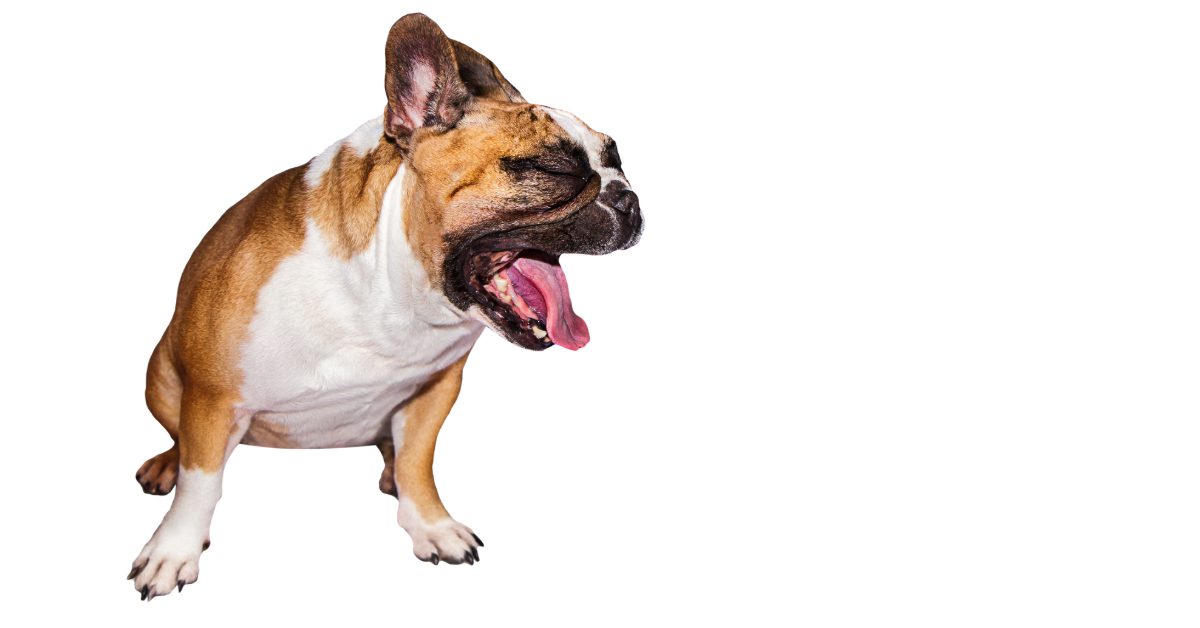
My Dog Threw Up White Foam: What Does It Mean?
White foam is a symptom, not a diagnosis, and it can come from many different sources.
What the Foam Is Made Of
A dog’s stomach produces acid, mucus, and fluid throughout the day. When there is little or no food inside, those fluids mix with saliva and air as your dog retches. The result is a frothy, white or slightly yellow liquid. Because there is no meal to bring up, the vomit looks thin and bubbly instead of chunky.
Vomiting Versus Regurgitation
Veterinarians separate true vomiting from regurgitation. Vomiting involves visible belly effort, drooling, and lip licking beforehand. Regurgitation is passive: food or fluid simply comes back up from the esophagus, often with no warning. Each points toward a different set of possible causes, so it helps to note which one you saw. A short phone video of the episode can tell your veterinary team more than a description ever could.
One Episode or a Pattern?
A dog who vomits white foam once and then eats, plays, and acts normally is in a very different situation from a dog who vomits again and again. Frequency, timing, and behavior all give your veterinarian useful clues. For example, foam that appears mostly in the early morning suggests a different line of questioning than foam that shows up after every meal or every walk.
Age and breed matter too. A young puppy who has just come home may vomit from stress or a new diet, while a senior dog with a new vomiting habit could be dealing with an underlying condition. Dogs who eat quickly, swallow air, or scavenge on walks tend to bring up foam more often than dogs who eat slowly and stay close at your side. Tracking these details in a simple note on your phone helps your veterinarian spot trends.
What Causes a Dog to Vomit White Foam?
So, why is my dog vomiting white foam when she seems fine otherwise? Causes range from mild stomach irritation to illnesses that need prompt treatment.
Common, Milder Triggers
Many dogs bring up foam for ordinary reasons. These are some of the triggers we see most often:
- An empty stomach, especially first thing in the morning
- Eating grass, which can irritate the stomach lining
- Gulping water or air during exercise or excitement
- Dietary indiscretion, such as table scraps or something found in the trash
- A sudden food change
- Stress, travel, or car rides
These situations often settle on their own, but you should still mention them to your veterinarian if they happen more than once. A pattern deserves a closer look even when each episode seems minor.
Owners who keep asking why their dog is vomiting white foam first thing in the morning are often describing bilious vomiting, where stomach fluid builds up overnight and irritates the stomach lining. It can respond to changes in meal timing, but it can also signal an underlying digestive problem, so it is worth a conversation with your veterinary team rather than a guess.
Conditions That Need a Veterinarian
Other causes are less obvious. Kennel cough, a contagious respiratory infection, often ends with a dog hacking up white foam, and owners frequently mistake that for vomiting. Pancreatitis, gastrointestinal blockages, toxin ingestion, parasites, and kidney or liver disease can also produce foamy vomit. So can bloat, which is a true emergency. Only an exam and, in many cases, diagnostic testing can sort these apart, which is why guessing at home is risky.
Toxins deserve a special mention. Dogs explore the world with their mouths, and common household items such as certain plants, xylitol-sweetened products, and human medications can cause vomiting within hours. If you suspect your dog swallowed something harmful, call your veterinarian or a pet poison hotline immediately instead of waiting to see what happens.
When Is White Foam Vomiting an Emergency?
Some situations call for an urgent trip to a veterinary hospital instead of a wait-and-see approach.
Red Flags to Take Seriously
Contact a veterinarian or emergency hospital right away if you notice any of the following:
- Repeated retching that brings up little or nothing
- A swollen, tight, or painful belly
- Blood in the vomit, or material that looks like coffee grounds
- Pale gums, weakness, or collapse
- Possible exposure to a toxin, medication, or foreign object
- Vomiting that lasts more than a day, or comes with diarrhea, fever, or refusal to drink
Why Bloat Deserves Special Attention
Gastric dilatation-volvulus, commonly called bloat, happens when the stomach fills with gas and may twist. Large, deep-chested breeds such as Great Danes, German Shepherds, and Standard Poodles carry a higher risk. A dog who retches unproductively, brings up only foam, and has a tight, enlarged abdomen may be in a life-threatening situation. Time matters, so call immediately.
Puppies, Seniors, and Dogs With Health Conditions
Very young dogs, older dogs, and pets with existing illnesses can become dehydrated quickly. If one of these dogs vomits white foam, call your veterinarian sooner rather than later. Please do not give human medications or home remedies, because some are toxic to dogs. Our team can guide you on next steps over the phone.
If you are searching online at midnight asking why your dog is vomiting white foam, remember that a quick phone call to Bayshore Veterinary Hospital often provides faster and safer direction than reading forum advice. Describe what you saw, how long it has been going on, and how your dog is acting, and a trained team member can help you decide between coming in right away and scheduling a visit soon.
How Does a Veterinarian Find the Cause of White Foam Vomiting?
A thorough visit combines your observations with a hands-on exam and, when needed, testing.
What to Share at the Appointment
You know your dog better than anyone, and the details you provide shape the entire workup. Try to bring this information:
- When the vomiting began and how many episodes occurred
- What your dog ate recently, including treats, scraps, and anything chewed
- Recent boarding, grooming, daycare, or contact with other dogs
- Current medications and supplements
- Changes in appetite, thirst, energy, or stool
Examination and Testing
Your veterinarian will check hydration, listen to the heart and lungs, and gently feel the abdomen. Depending on what the exam shows, the next steps may include bloodwork, a fecal test, X-rays, or an ultrasound. Treatment depends entirely on the diagnosis. It might involve fluids, anti-nausea medication, a diet change, or hospital care, and your veterinarian will explain the plan for your dog specifically. Follow-up matters as well. If your dog improves, your veterinarian may recommend a recheck or a gradual return to normal feeding, and if symptoms return, an early call can prevent a small problem from growing.
Preventive Care Matters
Routine wellness exams, parasite prevention, and up-to-date vaccines, including protection against kennel cough, reduce the chance of many illnesses that cause vomiting. Regular checkups also give your veterinarian a baseline to compare against if your dog gets sick.
Questions About Your Dog’s Upset Stomach? Call Bayshore Veterinary Hospital
Every dog is different, and a worried pet owner should never feel silly for calling. If you are still wondering why your dog is vomiting white foam, or you simply want a professional opinion, our team at Bayshore Veterinary Hospital is ready to listen. We serve dogs and cats throughout Holmdel and the surrounding Monmouth County communities, and we are happy to help you decide whether your pet should come in today.
Please reach out by phone at at (732) 671-3110 or schedule an appointment online. If your dog shows any emergency sign described above, call us or the nearest emergency hospital right away. Your dog depends on you to notice when something is off, and we are here to help you act on it with confidence.
Recent Posts
About Us
Bayshore Veterinary Hospital has been caring for pets and their families since 2001, building trusted relationships through compassionate, Fear Free veterinary care. Whether your visit is for a routine checkup or something unexpected, we’re here to listen, support, and guide you every step of the way. Call (732) 671-3110 if you have any questions or would like to schedule an appointment.