
A dog seizure can range from a brief glassy stare to a full collapse with stiff muscles, paddling legs, drooling, and no awareness of the room. Most last between thirty seconds and two minutes, though they feel far longer to anyone watching. Seeing one for the first time can leave you shaken, and that reaction is completely normal. Knowing the signs ahead of time makes the moment a little easier to get through.
If you typed “What does a dog seizure look like?” into your phone while your dog was still wobbling beside you, take a slow breath first. Our team at Bayshore Veterinary Hospital in Holmdel, NJ, wrote this blog for exactly that moment, with plain descriptions and a clear sense of when a seizure needs a veterinarian right away. Clear descriptions help your veterinary team move faster, and faster answers mean better care for your dog.
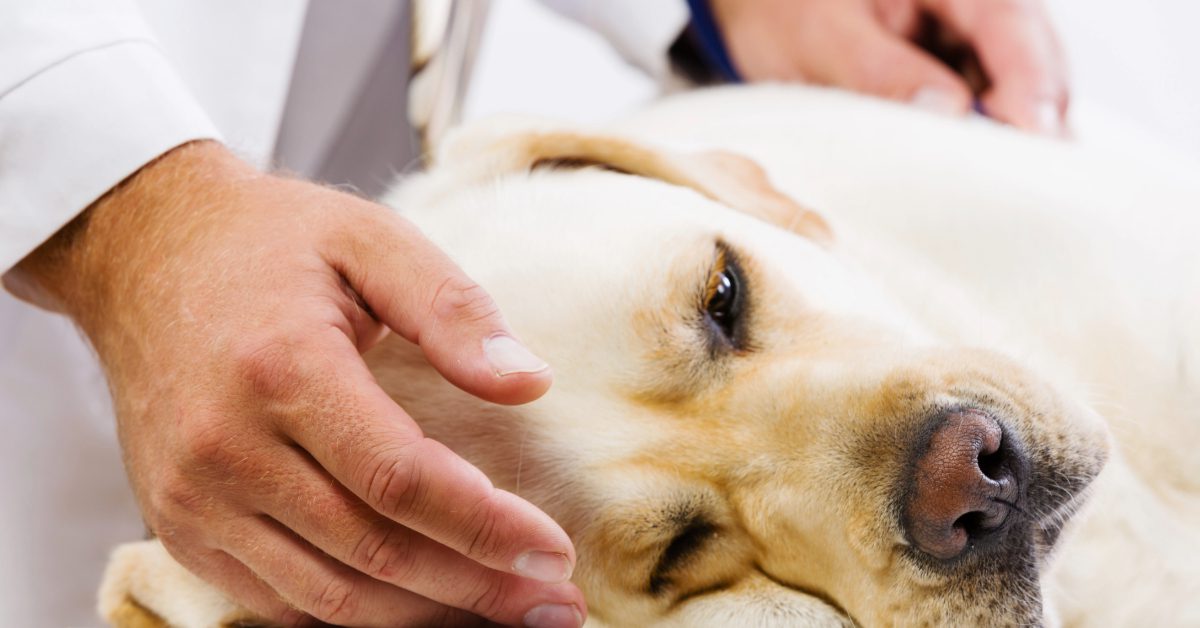
What Does a Dog Seizure Look Like From Start to Finish?
Seizures come in more than one form, and the dramatic version is only part of the picture.
The Three Stages of a Seizure
Many seizures unfold in three parts, and knowing the sequence helps you describe what you saw. Some dogs show a pre-seizure phase, sometimes called an aura, when they seem restless, anxious, or unusually clingy. They may pace, whine, hide, or stare at nothing for a few minutes before anything else happens.
Then comes the seizure itself. So, what does a dog seizure look like in this middle stage? You might see:
- Sudden collapse onto one side
- Stiff, rigid limbs followed by paddling or jerking legs
- Drooling, foaming at the mouth, or clenched jaws
- No response to your voice or touch
- Loss of bladder or bowel control
- Rapid eye movements or a fixed, glassy stare
Afterward, dogs enter a recovery phase that can last from minutes to hours. Many seem dazed, wobbly, or temporarily blind. They may pace, drink heavily, or act ravenous. This stage often worries owners as much as the seizure itself, but confusion is a common part of recovery.
Generalized and Focal Seizures
Generalized seizures involve the whole body, and they are the version most people picture. Focal seizures affect only part of it. A dog with a focal seizure might show facial twitching, a single jerking limb, repeated lip smacking, or snapping at invisible flies. Some focal seizures stay small, while others spread into a full generalized seizure.
Look-Alikes That Are Not Seizures
Not every shaking episode is a seizure. Dogs twitch and paddle during dream sleep, but they wake easily. Fainting from heart problems, vestibular disease that causes sudden loss of balance, and tremors from pain or cold can all look dramatic. A true seizure usually involves a loss of awareness, which sets it apart. A short phone video, recorded from a safe distance, lets your veterinarian tell one from another.
Why Do Dogs Have Seizures?
A seizure happens when abnormal electrical activity floods part of the brain, and many different problems can set that off.
Epilepsy and Brain Conditions
Idiopathic epilepsy, meaning epilepsy with no identifiable underlying cause, is the most common reason young and middle-aged dogs have recurring seizures. It often appears between six months and six years of age, and it shows up more often in breeds such as Border Collies, Labrador Retrievers, Golden Retrievers, Beagles, and Australian Shepherds. Structural problems in the brain, including tumors, inflammation, infections, and past head injuries, can also trigger seizures, especially in older dogs.
Dogs with idiopathic epilepsy are usually healthy between episodes, and their exam and bloodwork often look normal. That is part of why veterinarians reach this diagnosis by ruling out other causes first.
Causes Outside the Brain
Sometimes the brain is reacting to trouble elsewhere in the body. Veterinarians consider possibilities like these:
- Low blood sugar, especially in tiny puppies and toy breeds
- Liver or kidney disease
- Electrolyte imbalances
- Toxins, including xylitol, certain plants, pesticides, and some human medications
- Heatstroke or severe overheating
Because the list is long, a seizure is a symptom that deserves a workup, not a diagnosis. When a medical condition is behind the episodes, treating that condition is often the best way to stop them.
Why Your Dog’s Age Offers Clues
The age at your dog’s first seizure points veterinarians in a direction. Puppies under six months more often have metabolic or inherited problems, dogs between one and five years often turn out to have idiopathic epilepsy, and dogs over six years more often have an underlying disease in or outside the brain. These are patterns, not rules, which is why every dog needs a full exam.
What does a dog seizure look like in a senior dog compared with a young one? The physical signs are often the same, but the likely causes differ. A senior dog with a brand-new seizure disorder deserves an especially careful look for underlying disease.
Emergency or Not: When Should You Rush to the Vet?
Any first seizure deserves a prompt call to your veterinarian, and some situations cannot wait at all.
Signs That Need Immediate Care
Go to your veterinarian or the nearest emergency hospital right away if you notice any of these:
- A seizure that lasts longer than five minutes
- Two or more seizures within 24 hours, or back-to-back seizures without full recovery in between
- Trouble breathing, pale or blue gums, or collapse after the seizure ends
- Possible exposure to a toxin or a recent head injury
- A seizure after heat exposure or intense exercise
Cluster seizures, which strike in groups, and seizures that run past five minutes can raise body temperature, strain the brain, and lead to exhaustion, which is why time matters so much. Dogs in this situation sometimes need hospital care, with monitoring and medication given by a veterinary team, so a quick trip to the clinic is far better than waiting to see what happens.
What to Note While It Happens
If you can do so safely, check the time when the seizure starts and ends. Record a short video from a distance, and jot down what your dog ate, did, or came across in the hours before. Dogs cannot swallow their tongues, which is why veterinarians discourage reaching into a seizing dog’s mouth. When you phone Bayshore Veterinary Hospital, your veterinary team can talk you through the situation as it unfolds.
If You Are Not Sure It Was a Seizure
Sometimes you walk away unsure whether an episode counts. Call us anyway at (732) 671-3110. Describing what you saw to a veterinary team member costs nothing, and they can tell you whether your dog needs to be seen today. Share the length of the episode, your dog’s behavior before and after, and any video you captured. A call about a harmless dream twitch is always better than a missed warning about a real seizure.
Testing and Long-Term Care for Dogs With Seizures
Finding the cause starts with a thorough conversation and a hands-on exam.
What the Diagnostic Visit Includes
Your veterinarian will ask about the episode, your dog’s history, and any possible toxin exposure. A physical and neurological exam follows, and bloodwork and urine tests check organ function, blood sugar, and electrolytes. If the results do not explain the seizures, or if your dog is older, your veterinarian may recommend blood pressure checks, imaging such as MRI or CT, or a referral to a veterinary neurologist.
Come prepared for questions about vaccination history, diet, and household products such as flea treatments, cleaners, and rodent bait, because small exposures sometimes explain a big reaction. A list of everything your dog takes, including supplements, saves time and fills in gaps that memory can miss.
Managing Seizures Over Time
Treatment depends on the cause. When a medical condition triggers seizures, treating it may resolve them. For dogs diagnosed with epilepsy, veterinarians often prescribe daily anti-seizure medication and schedule regular monitoring visits and bloodwork. Please never start, skip, or change a dose on your own, because sudden changes can bring seizures back or make them worse.
A simple seizure log helps a great deal. Record the date, time, length, and what happened before and after each episode. Over weeks and months, those notes reveal patterns that guide medication decisions and show your veterinarian whether the plan is working.
Everyday Life With a Seizure-Prone Dog
Many families worry about leaving their dog alone, traveling, or boarding. Consistent routines, medication given at the same times each day, and open communication with your veterinary team help most households settle into a rhythm. Some dogs go long stretches between seizures once treatment is working well, and your veterinarian can help you plan for the situations that worry you most.
After the Seizure Ends: What Comes Next
A first seizure can feel like the moment everything changes, yet it is often the start of a clearer picture. Once your veterinary team identifies the cause, many dogs with seizures live happy, active lives with treatment tailored to them, and the worry often eases as routines take shape. If you have a notebook of dates, a few video clips, and a list of questions, you already hold more useful information than you may realize.
Bayshore Veterinary Hospital in Holmdel, NJ, supports local families through each stage, from the first frightening episode to the long-term plan. What you saw, how you described it, and the notes you took become the raw material for that plan. A seizure is a moment in your dog’s life, and with the right care it does not have to define the rest of it.
Recent Posts
About Us
Bayshore Veterinary Hospital has been caring for pets and their families since 2001, building trusted relationships through compassionate, Fear Free veterinary care. Whether your visit is for a routine checkup or something unexpected, we’re here to listen, support, and guide you every step of the way. Call (732) 671-3110 if you have any questions or would like to schedule an appointment.